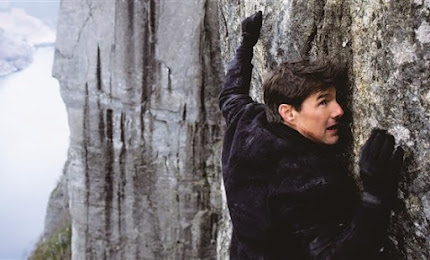
Lead/sport climbing stands out as a dynamic and thrilling pursuit within the climbing community, demanding a combination of physical prowess and mental acumen. This essay will delve into the foundational aspects of lead/sport climbing, exploring its techniques, safety protocols, and significance within the climbing sphere.
Distinguished by climbers ascending routes while securing themselves to fixed anchors along the way, lead/sport climbing differs from top rope climbing, where climbers are belayed from above. It necessitates a distinct set of skills and approaches that differentiate it from other forms of climbing.
At the heart of lead/sport climbing lies mental preparation and focus. Climbers must maintain unyielding concentration throughout their ascent, continually assessing risks and making quick decisions. This mental resilience is crucial for surmounting obstacles and navigating challenging sections of a route.
Additionally, physical conditioning and strength training are fundamental components of lead/sport climbing. Climbers must develop strength in key areas such as fingers, arms, and core to execute demanding maneuvers and maintain control on steep terrain. Endurance is also pivotal for sustaining effort during prolonged climbs.
Route reading and strategic planning are indispensable in lead/sport climbing. Before beginning their ascent, climbers meticulously analyze the route, identifying crucial handholds and mapping out their sequence of movements. This strategic approach optimizes efficiency and conserves energy, leading to successful climbs.
Efficient movement and precise technique are essential for tackling intricate routes with finesse. Climbers must master a variety of climbing techniques, including edging, stemming, and smearing, to adapt to diverse rock types and angles effectively. Proper footwork and body positioning are critical for achieving balance and control.
Safety precautions and risk management are paramount in lead/sport climbing to ensure a secure climbing experience. Climbers must utilize appropriate equipment and maintain it diligently to minimize the risk of accidents. Understanding and mitigating potential hazards such as falls and rockfall are imperative for enhancing safety.
Moreover, effective communication and cohesive partner dynamics are essential for safe lead/sport climbing. Clear communication between climber and belayer is vital, with climbers signaling intentions and potential hazards. Trust and collaboration between the climbing pair are essential for effectively managing risks and executing successful climbs.
In conclusion, lead/sport climbing presents a multifaceted challenge that tests climbers both physically and mentally. Through mastering techniques, adhering to safety standards, and cultivating strong partnerships, climbers can relish the excitement of ascending vertical terrain while prioritizing safety and risk mitigation.
Lead Climbing Techniques
People of today are adopting healthy lifestyles, and the combination of lifestyle changes, advancements in public health, and improved healthcare is contributing to a longer life expectancy. Maintaining a healthy lifestyle is essential to minimize stress and ensure optimal performance.
Showing posts with label climbing. Show all posts
Wednesday, February 21, 2024
Monday, February 13, 2023
Indoor climbing
Indoor climbing is one of the safest forms of climbing and basically, anyone of any age or gender can do it. Indoor climbing refers to any type of rock climbing that occurs within the confines of a building or other structure, usually on specially constructed fake rock walls. This allows climbers to climb no matter the time of day or condition of weather.
Climbing is a full-body exercise. In addition to giving biceps, triceps and deltoids a workout, it also calls on the abdominals, obliques, glutes, thighs, calves and more. Indoor climbing is often used for improving climbing skills and techniques, as well as for general exercise.
Indoor climbing is typically divided into three disciplines. Bouldering, top roping, and lead climbing. Each of these vary in technique, but the objectives are all the same: get to the top.
Bouldering is among the newest forms of climbing, and these days it may be the most popular. Bouldering refers to climbs that are protected by pads rather than ropes. It is an activity in which people climb up and over rocks or artificial rock walls at fairly low heights without using ropes.
Top-rope climbing, or top-roping, is a form of rock climbing where climbers are supported by a rope that runs up and down a rock face.
While, with lead climbing, the rope runs directly from the belayer to the climber. As the climber goes up the cliff, he or she clips the rope into bolts that are fixed to the wall or removable pieces of trad gear. It requires much more endurance than top rope climbing.
Indoor climbing
Climbing is a full-body exercise. In addition to giving biceps, triceps and deltoids a workout, it also calls on the abdominals, obliques, glutes, thighs, calves and more. Indoor climbing is often used for improving climbing skills and techniques, as well as for general exercise.
Indoor climbing is typically divided into three disciplines. Bouldering, top roping, and lead climbing. Each of these vary in technique, but the objectives are all the same: get to the top.
Bouldering is among the newest forms of climbing, and these days it may be the most popular. Bouldering refers to climbs that are protected by pads rather than ropes. It is an activity in which people climb up and over rocks or artificial rock walls at fairly low heights without using ropes.
Top-rope climbing, or top-roping, is a form of rock climbing where climbers are supported by a rope that runs up and down a rock face.
While, with lead climbing, the rope runs directly from the belayer to the climber. As the climber goes up the cliff, he or she clips the rope into bolts that are fixed to the wall or removable pieces of trad gear. It requires much more endurance than top rope climbing.
Indoor climbing
Labels:
climbing,
indoor climbing
Thursday, January 05, 2023
Alpine climbing
Alpine climbing is technically defined as climbing anywhere in the alpine zone, or above treeline. Alpine climbing can also mean ice- and mixed-climbing above treeline. The main objective of Alpine climbing is to reach the summit. Each requires a diverse skill, making it both dangerous and adventurous.
Alpine environments are defined as being cold, windy, and snowy, and characterized by low growing season temperatures and a very short frost-free period. Alpine climbing is an ancient mountain sport that has been around for centuries. It is a sport that’s diverse in its scope, encompassing many different styles of climbing and approaches to tackling difficult mountainsides.
Alpine climbing is a multi-disciplinary sport. Climbers need to be able to climb rock and ice faces, hike long distances with heavy packs, and navigate glaciated terrain, with the main objective of reaching a summit. It's more technical than mountaineering.
Alpine climbing
Alpine environments are defined as being cold, windy, and snowy, and characterized by low growing season temperatures and a very short frost-free period. Alpine climbing is an ancient mountain sport that has been around for centuries. It is a sport that’s diverse in its scope, encompassing many different styles of climbing and approaches to tackling difficult mountainsides.
Alpine climbing is a multi-disciplinary sport. Climbers need to be able to climb rock and ice faces, hike long distances with heavy packs, and navigate glaciated terrain, with the main objective of reaching a summit. It's more technical than mountaineering.
Alpine climbing
Labels:
Alpine climbing,
climbing
Tuesday, April 10, 2018
Rock climbing
Climbing is a form of a physical activity that gains more and more followers, especially among youth but also among adults. Sport climbing is the branch of climbing in which the element of danger is reduced by pre-placing protection points in the rock or indoor wall. Because the danger element is largely removed, the physical difficulty of each climb can be high.
Rock climbing encompasses numerous different disciplines, including, but not limited to, top rope climbing, sport climbing, traditional climbing, and bouldering. Top rope climbing involves a person ascending a route with a safety rope attached from above, ensuring minimal falling when the climber releases his/her grip on the rock.
In 2014, there are over five million rock climbers in North America alone. One explanation for this growth in participation may be related to the increase of indoor rock climbing facilities, which first opened in 1964 and allowed climbers to climb all year round, despite bad weather.
The advantages of climbing as a form of recreation and sport have been appreciated in many countries worldwide. The last 30 years have seen a real explosion in the popularity of climbing.
Indoor facilities have the added benefit of removing several risk factors (e.g., falling rocks) and were found to be the safest locations to practice rock climbing. In addition, rock climbing has been shown to be an effective way of promoting physical activity in youth.
Rock climbing
Rock climbing encompasses numerous different disciplines, including, but not limited to, top rope climbing, sport climbing, traditional climbing, and bouldering. Top rope climbing involves a person ascending a route with a safety rope attached from above, ensuring minimal falling when the climber releases his/her grip on the rock.
In 2014, there are over five million rock climbers in North America alone. One explanation for this growth in participation may be related to the increase of indoor rock climbing facilities, which first opened in 1964 and allowed climbers to climb all year round, despite bad weather.
Indoor facilities have the added benefit of removing several risk factors (e.g., falling rocks) and were found to be the safest locations to practice rock climbing. In addition, rock climbing has been shown to be an effective way of promoting physical activity in youth.
Rock climbing
Labels:
climbing,
recreation,
rock climbing,
sports
Subscribe to:
Posts (Atom)
Popular Posts
-
Walking is literally the best exercise you can do. For a normal person with no great aspiration of athletic greatness, brisk walking is the...
-
Increasing longevity is one of the primary drivers of population aging. As life expectancy increases, more people will survive to the oldest...
-
Swimming As A Recreational Activity - 7 Facts About Swimming That You May Not Know Swimming is one of the safest and most effective forms o...
-
As studies continue to reveal yoga’s many health benefits, this centuries-old eastern philosophy is fast becoming the new fitness soul mate ...
-
Climbing is a form of a physical activity that gains more and more followers, especially among youth but also among adults. Sport climbing i...