Horse riding, or equestrianism, is a timeless pursuit that blends athleticism, art, and a profound partnership between humans and horses. Its roots trace back thousands of years, where it served as a means of transportation, warfare, and even status. Today, equestrianism has evolved into a multifaceted sport that includes various disciplines, each with unique demands and rewards. These range from the elegance of dressage to the endurance tests of long-distance riding.
Diverse Disciplines in Equestrian Sports
Dressage, often likened to "horse ballet," emphasizes precision, rhythm, and harmony. Riders and horses execute intricate patterns with a fluidity that exemplifies mutual understanding. In contrast, show jumping is a thrilling spectacle of agility and speed, where horse and rider navigate complex courses of hurdles, testing reflexes and trust. Eventing combines the artistry of dressage, the adrenaline of cross-country riding, and the technicality of show jumping, offering a triathlon-like challenge. Endurance riding tests stamina, requiring horse and rider to traverse distances up to 100 miles over diverse terrain.
Benefits Beyond Competition
Horse riding promotes physical fitness, improving core strength, balance, and coordination. It also cultivates mental discipline and emotional resilience. The bond formed with horses fosters empathy, patience, and responsibility. Riders learn to interpret subtle cues from their equine partners, deepening their connection and enhancing communication. Studies have shown that equestrian activities can significantly benefit mental health, reducing stress and improving overall well-being.
A Global and Inclusive Pursuit
Equestrian sports are globally celebrated, from the grandeur of the Olympics to local riding clubs. Recent developments emphasize inclusivity, with para-equestrian disciplines gaining prominence. Technological advancements in horse care and training methods are further enriching the experience, ensuring better health and performance for both riders and horses.
Conclusion
Horse riding is more than a sport; it is an art form and a testament to the profound bond between humans and animals. Its rich history, diverse disciplines, and holistic benefits continue to attract participants worldwide, ensuring its place as a cherished and enduring tradition.
The Art and Sport of Horse Riding
People of today are adopting healthy lifestyles, and the combination of lifestyle changes, advancements in public health, and improved healthcare is contributing to a longer life expectancy. Maintaining a healthy lifestyle is essential to minimize stress and ensure optimal performance.
Showing posts with label sports. Show all posts
Friday, December 06, 2024
Tuesday, April 10, 2018
Rock climbing
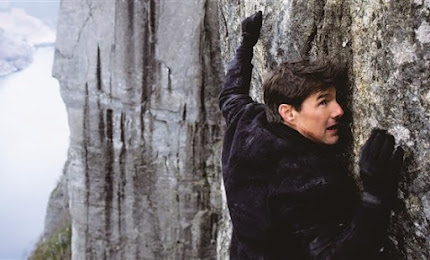
Climbing is a form of a physical activity that gains more and more followers, especially among youth but also among adults. Sport climbing is the branch of climbing in which the element of danger is reduced by pre-placing protection points in the rock or indoor wall. Because the danger element is largely removed, the physical difficulty of each climb can be high.
Rock climbing encompasses numerous different disciplines, including, but not limited to, top rope climbing, sport climbing, traditional climbing, and bouldering. Top rope climbing involves a person ascending a route with a safety rope attached from above, ensuring minimal falling when the climber releases his/her grip on the rock.
In 2014, there are over five million rock climbers in North America alone. One explanation for this growth in participation may be related to the increase of indoor rock climbing facilities, which first opened in 1964 and allowed climbers to climb all year round, despite bad weather.
The advantages of climbing as a form of recreation and sport have been appreciated in many countries worldwide. The last 30 years have seen a real explosion in the popularity of climbing.
Indoor facilities have the added benefit of removing several risk factors (e.g., falling rocks) and were found to be the safest locations to practice rock climbing. In addition, rock climbing has been shown to be an effective way of promoting physical activity in youth.
Rock climbing
Rock climbing encompasses numerous different disciplines, including, but not limited to, top rope climbing, sport climbing, traditional climbing, and bouldering. Top rope climbing involves a person ascending a route with a safety rope attached from above, ensuring minimal falling when the climber releases his/her grip on the rock.
In 2014, there are over five million rock climbers in North America alone. One explanation for this growth in participation may be related to the increase of indoor rock climbing facilities, which first opened in 1964 and allowed climbers to climb all year round, despite bad weather.
Indoor facilities have the added benefit of removing several risk factors (e.g., falling rocks) and were found to be the safest locations to practice rock climbing. In addition, rock climbing has been shown to be an effective way of promoting physical activity in youth.
Rock climbing
Labels:
climbing,
recreation,
rock climbing,
sports
Wednesday, March 25, 2015
What are the reasons for mountain biking?
Mounting Biking is for fun
Mountain biking will be contrast with hiking. Both have their niche and the choice is ours. We can do both. In the end, it’s matter of personal preference. Relative to hiking, mountain biking might be for fun. The wind in our face, the feeling of speed…. Speed compresses the time interval between successive events such as turns, drops, and climbs and we are forced to think ahead while controlling the bike. The combined mental and physical challenge makes mountain biking fun.
Mountain biking is for exercise
Mountain biking is a great low impact, cardiovascular exercise. Aerobic activity, which increases our metabolism, is the best way to burn calories. Aerobic activity also strengthens our heart, lungs and legs muscles. Our blood’s capacity to carry oxygen and nutrients is increased, producing stamina. In this regard, cycling is similar to running.
We can use bike’s gears to regulate the intensity of our cardiovascular workout. Using lower gears for an easy spin brings our heart and respiration rates up to sustainable levels for long periods. Or, use the big gears and feel the burn on short, intense rides.
Because of cardiovascular benefits, some have discovered that biking makes an excellent adjunct spot to other activities, such as hiking and backpacking.
Mountain biking as a challenge
Once the sole province of young daredevils, men and women of all ages are now getting into the sport. Part of the attraction is the challenge that comes from the interaction between bike and rider. If we accept this challenge and work at it, our skills will improve. Everyone has personal limits, but practice and tenacity will soon have our riding trails that we once found intimidating. Overcoming these challenges produces a lot of thrills and also provides a sense of accomplishment.
What are the reasons for mountain biking?
Mountain biking will be contrast with hiking. Both have their niche and the choice is ours. We can do both. In the end, it’s matter of personal preference. Relative to hiking, mountain biking might be for fun. The wind in our face, the feeling of speed…. Speed compresses the time interval between successive events such as turns, drops, and climbs and we are forced to think ahead while controlling the bike. The combined mental and physical challenge makes mountain biking fun.
Mountain biking is for exercise
Mountain biking is a great low impact, cardiovascular exercise. Aerobic activity, which increases our metabolism, is the best way to burn calories. Aerobic activity also strengthens our heart, lungs and legs muscles. Our blood’s capacity to carry oxygen and nutrients is increased, producing stamina. In this regard, cycling is similar to running.
We can use bike’s gears to regulate the intensity of our cardiovascular workout. Using lower gears for an easy spin brings our heart and respiration rates up to sustainable levels for long periods. Or, use the big gears and feel the burn on short, intense rides.
Because of cardiovascular benefits, some have discovered that biking makes an excellent adjunct spot to other activities, such as hiking and backpacking.
Mountain biking as a challenge
Once the sole province of young daredevils, men and women of all ages are now getting into the sport. Part of the attraction is the challenge that comes from the interaction between bike and rider. If we accept this challenge and work at it, our skills will improve. Everyone has personal limits, but practice and tenacity will soon have our riding trails that we once found intimidating. Overcoming these challenges produces a lot of thrills and also provides a sense of accomplishment.
What are the reasons for mountain biking?
Labels:
exercise,
health,
mountain biking,
sports
Wednesday, June 11, 2008
Benefits of Regular and Moderate Exercise
What are the benefits of regular exercise? It promotes self-discipline and has a positive impact how people perceive their life. Exercise helps in lifting our spirits and getting us out of any depression. For first timers, it can be done for 15 minutes for 2 to 3 days a week. The time can be increased once our body gets tuned up for it.
Don’t ever force our body! If it gets hurt, then stop. We can take a break from exercising for a few days and then can start again but we need to start from day 1.
Here are some moderate and regular exercises can be done:
Walking
Make use of the surroundings. We can walk with our dog, with partner or child. We should encourage our family to do the walking exercise daily. It will burning body calories while enjoying the surroundings and getting enough sunlight that is also good for our body.
Yoga
Yoga is one effective exercise that energizes not only our body but also our soul. A five-minute yoga exercise can perk us up and recharge our body with the energy.
Sports
Play basketball, football, baseball, tennis or badminton. Many doctors have recommended sports as an effective way to stay fit and healthy. Sports can also be done in moderation. Do not take it seriously. Shooting basketball with a friend is one moderate exercise that is also considered a sport.
Join exercise programs at work
Exercise while doing household chores
Gardening, raking leaves, lawn mowing, doing the laundry, vacuuming and car washing are effective moderate exercises at home. Make use of these chores to sweat and burn calories. Instead of using machines and gadgets to perform these chores, why not do it with our hands and lose some fats?
Making exercises as part of our daily routines will surprise us of how much calories we will lose. Doing these moderate exercises of the same amount every day can burn 150 calories up to 1,000 calories a day.
Benefits of Regular and Moderate Exercise
What are the benefits of regular exercise? It promotes self-discipline and has a positive impact how people perceive their life. Exercise helps in lifting our spirits and getting us out of any depression. For first timers, it can be done for 15 minutes for 2 to 3 days a week. The time can be increased once our body gets tuned up for it.
Don’t ever force our body! If it gets hurt, then stop. We can take a break from exercising for a few days and then can start again but we need to start from day 1.
Here are some moderate and regular exercises can be done:
Walking
Make use of the surroundings. We can walk with our dog, with partner or child. We should encourage our family to do the walking exercise daily. It will burning body calories while enjoying the surroundings and getting enough sunlight that is also good for our body.
Yoga
Yoga is one effective exercise that energizes not only our body but also our soul. A five-minute yoga exercise can perk us up and recharge our body with the energy.
Sports
Play basketball, football, baseball, tennis or badminton. Many doctors have recommended sports as an effective way to stay fit and healthy. Sports can also be done in moderation. Do not take it seriously. Shooting basketball with a friend is one moderate exercise that is also considered a sport.
Join exercise programs at work
Exercise while doing household chores
Gardening, raking leaves, lawn mowing, doing the laundry, vacuuming and car washing are effective moderate exercises at home. Make use of these chores to sweat and burn calories. Instead of using machines and gadgets to perform these chores, why not do it with our hands and lose some fats?
Making exercises as part of our daily routines will surprise us of how much calories we will lose. Doing these moderate exercises of the same amount every day can burn 150 calories up to 1,000 calories a day.
Benefits of Regular and Moderate Exercise
Labels:
calories,
depression,
exercise,
regular,
self-discipline,
sports,
walking,
yoga
Subscribe to:
Posts (Atom)
Popular Posts
-
Walking is literally the best exercise you can do. For a normal person with no great aspiration of athletic greatness, brisk walking is the...
-
Increasing longevity is one of the primary drivers of population aging. As life expectancy increases, more people will survive to the oldest...
-
Swimming As A Recreational Activity - 7 Facts About Swimming That You May Not Know Swimming is one of the safest and most effective forms o...
-
As studies continue to reveal yoga’s many health benefits, this centuries-old eastern philosophy is fast becoming the new fitness soul mate ...
-
Climbing is a form of a physical activity that gains more and more followers, especially among youth but also among adults. Sport climbing i...