Wednesday, August 26, 2015
Obesity and Weight Loss
However, diets for weight loss have been shown to be ineffective and even damaging to health.
A well balanced that avoids the wrong dietary fats, refined sugars, and excess calories (which all contribute to weight gain), regular exercise, drinking adequate amounts of pure water and stress reduction can help maintain a healthy weight.
Weight loss has become a national obsession in America. As many as 40% of women and 24% of men in the U.S are trying to loose weight at any given time through such diverse methods as diets, special dietary supplements, exercise, behavior modifications and drugs.
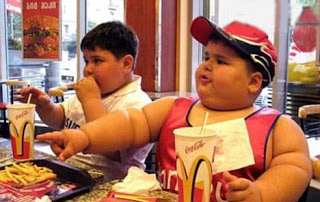
While this obsession is often fueled by psychological needs (the urge to conform to an artificial of beauty fostered by media, fashion and peer pressure) rather than physical needs, it is estimated that 97 millions Americans are overweight.
Excess weight has been linked to a number of health problems, including high blood pressure, heart disease, stroke, diabetes, gallbladder disease, respiratory conditions, as well as breast, endometrial and uterine cancers in women and cancer of the colon and rectum in men.
In fact, 85% of Type II diabetes cases are attributed to obesity, along with 45% of hypertension, 35% of heart disease and 18% of high cholesterol.
Obesity has also been shown to result in a decreased life span for both women and men and may be contributing factor in as many as 300,000 deaths each year.
The answers to weight gain and weight loss, though, are not always simple and easy.
Under controlled settings, most people trying to lose weight are usually able to lose about 10% of their total body weight, but up to two thirds of that weight is regained within a year.
To achieve significant and permanent weight loss, you need to come up with a plan – incorporating healthier eating, exercise, and stress reduction.
Obesity and Weight Loss
Monday, May 19, 2014
Formula to good health and healthy eating
The answer to those pervasive problem is simply to eliminate the low nutrient to calories ration foods like processed grains, sugars, fatty processed meats, soft drinks and packaged snack foods, and increase the intake of high nutrient to calorie ratio foods like vegetables, fruits, seafood and whey protein.
A diet with a high nutrient to calorie ration supplies with large quantities of beneficial vitamins, minerals and other antiaging phytonutrients, but at the same time it reduces your calorie intake.
If you want to lean, fit, vigorous, and brought and happy, you must do what you are designed to do. People usually eat until they are full or satiated.
If you consume natural high nutrient but low calorie foods like fruits and vegetables, you can eat more volume and thus will feel satisfied for a longer period after eating.
It is very difficult to get fit by eating vegetables and fruit.
If you also make sure to include healthy lean protein with each meal, you will stay full longer and be able to avoid cravings.
If you trying to lose weight and not feel deprived, subtle changes can lead to realm lasting results.
A study researchers tested whether they could fool people into thinking they were eating the same amount of calories even though they trimmed their intake by 800 calories a day.
They did this by “super-sizing” the portions of foods with high nutrient to calorie like vegetable and fruits.
At the same time they cut high calorie synthetic foods containing sugars and fats by about 25%.
As turned out, the participant did not even notice that they were consuming fewer calories because they were eating more food and staying full longer.
On the other hand, when the researchers cut calories by just decreasing portion sizes, participants complained they weren’t getting enough to eat.
In other word, you will feel less deprived and have better luck losing body fat if you increase your intake of fruits and vegetables and cut out processed high sugar and high fat foods, rather than relying on cutting portion size alone.
Formula to good health and healthy eating
Friday, October 31, 2008
Healthy Eating Lifestyle
Eat for variety
Foods from all food groups are important. Eat foods from all the food groups every day and choose a variety of foods within each food group. For optimum nutrition, eat more foods from the grain, fruits, and vegetables.
Eat fruits and vegetables at every meal and snack
Fruit and vegetables are packed with vitamins, minerals and antioxidants; plus they provide fiber to help keep our bowels regular. We should get at least five servings of fruit and vegetables combined each day. Fruits and vegetable that are deep green or orange or red pack the most vitamin and minerals. It is important to select fruits and vegetables of different colors to get all of their beneficial nutrients.
| Cempedak fruit |
Whole grains contain more nutrients and fiber than processed or refined grains because the milling process removes the nutritional part of the grain. Aim to make half of all the grain foods that you eat the whole grain.
Limit foods and beverages with added sugarSweet drinks such as soda, fruit punch, lemonade, iced tea, and sport drinks have a lot of sugar but no vitamins or minerals. Consuming too much sweet drinks makes it hard to get all of the vitamins and minerals that your body needs. Soft drinks and sweets such as candy, cake, cookies and donuts can cause dental cavities, and they add to calorie intake, which makes it hard to keep a healthy weight.
Choose foods with healthy fat
The fat on our bodies serves several purposes: it protects our organs, keeps us warm, and stores our energy. Fat in food provides a feeling of fullness and it adds flavor. Some fat – namely unsaturated fat – is healthy for the heart, but other fat – the saturated fat – can damage arteries and lead to heart disease over time. Trans fat does the most damage and should be avoided.
Healthy Eating Lifestyle
Monday, April 16, 2007
Walking Not Enough
Walking is a popular form of exercise, but may not be enough to experience significant health benefits.
Generally, low-intensity activity such as walking alone is not likely going to give anybody marked health benefits compared to programs that occasionally elevate the intensity.
Researchers were concerned that while people with health issues are encouraged to increase their volume of activity such as walking, there didn't seem to be much focus on the effort that needed to go into the activity.
The 
When researcher matched the two programs for energy expenditure, they found that the traditional fitness program improved aerobic fitness and reduced systolic blood pressure, more than the 10,000-step lifestyle program. Of the 128 sedentary men and women who completed the six-month research program, those who took part in a more active traditional fitness regimen increased their peak oxygen uptake, an indicator of aerobic fitness, by 10 per cent. Those who took part in the walking program experienced a four per cent increase. Systolic blood pressure also dropped by 10 per cent for the traditional fitness group, compared to four per cent for the group who just walked.
Other markers of overall health, such as fasting plasma glucose levels, response to a two-hour glucose tolerance test and various blood lipids were unaffected by either exercise program.
Most concern is that people might think what matters most is the total number of daily steps accumulated, and not pay much attention to the pace or effort invested in taking those steps.
The 10,000-step or pedometer-based walking programs are great for people--they are motivating, and provide an excellent starting point for beginning an activity program, but to increase the effectiveness, one must add some intensity or "huff and puff" to their exercise. Across your day, while you are achieving those 10,000 steps, take 200 to 400 of them at a brisker pace.
People got to do more than light exercise and move towards the inclusion of regular moderate activity, and not shy to interject an occasional period of time at the vigorous level.
The Art of Healthy Lifestyles
Popular Posts
-
Walking is literally the best exercise you can do. For a normal person with no great aspiration of athletic greatness, brisk walking is the...
-
Increasing longevity is one of the primary drivers of population aging. As life expectancy increases, more people will survive to the oldest...
-
Swimming As A Recreational Activity - 7 Facts About Swimming That You May Not Know Swimming is one of the safest and most effective forms o...
-
As studies continue to reveal yoga’s many health benefits, this centuries-old eastern philosophy is fast becoming the new fitness soul mate ...
-
Climbing is a form of a physical activity that gains more and more followers, especially among youth but also among adults. Sport climbing i...
