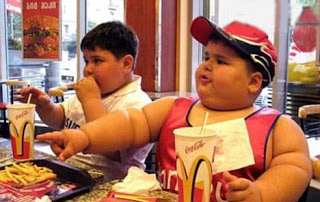
People of today are adopting healthy lifestyles, and the combination of lifestyle changes, advancements in public health, and improved healthcare is contributing to a longer life expectancy. Maintaining a healthy lifestyle is essential to minimize stress and ensure optimal performance.

Showing posts with label weight loss. Show all posts

Thursday, October 17, 2024

Weight Loss and Wellness: The Benefits of Hiking

Hiking is an excellent way to lose weight while enjoying the beauty of nature. Unlike monotonous gym workouts, hiking offers a dynamic environment that keeps you engaged and motivated. Each trail presents new challenges, whether it’s the changing landscape, wildlife sightings, or scenic views, which makes it far more stimulating than a stationary treadmill or repetitive weightlifting routine. As you climb mountains, traverse forests, or walk through open meadows, the constantly changing surroundings provide mental stimulation and an emotional boost, which can make it easier to stick with a regular exercise routine.

One of the primary benefits of hiking is its ability to burn calories effectively. Depending on the trail’s difficulty and your body weight, you can burn between 400 to 700 calories per hour. Hiking on uneven terrain, especially when ascending steep hills, requires more energy than walking on flat ground. The higher the elevation or the more rugged the path, the more calories your body expends, making hiking a powerful tool for weight loss. The natural resistance created by rocks, roots, and inclines also adds an element of strength training to your hike, which enhances calorie burn.

Moreover, hiking engages multiple muscle groups, including your legs, core, and even your upper body if you’re using trekking poles. This full-body workout helps build muscle mass, which in turn boosts your metabolism, allowing you to burn more calories even at rest. Strengthening muscles, particularly in the legs and core, improves balance, stability, and endurance over time, adding long-term benefits to your fitness level. Additionally, hiking can improve cardiovascular health by lowering blood pressure and reducing the risk of heart disease. Regular aerobic activity, like hiking, enhances heart and lung function, making it easier to perform other physical activities.

Beyond the physical benefits, hiking also has a positive impact on mental health. Being in nature reduces stress, anxiety, and depression, which can be crucial for maintaining a healthy lifestyle. The tranquility of a forest, the sound of a flowing stream, or the view from a mountain peak all contribute to a sense of well-being. The combination of physical exertion and the calming effects of nature creates a holistic approach to weight loss and overall well-being. In fact, many studies suggest that spending time outdoors improves mood and lowers cortisol levels, a hormone associated with stress.

Incorporating regular hikes into your routine, along with a balanced diet, can lead to sustainable weight loss and a healthier, happier life. Whether you choose short, leisurely hikes or challenging mountain treks, the activity is adaptable to all fitness levels, making it an accessible and enjoyable way to stay active.
Weight Loss and Wellness: The Benefits of Hiking

Friday, April 12, 2024

Sensible Solutions for Weight Loss

Year after year, millions of individuals embark on the familiar journey of making New Year’s resolutions to shed excess weight, yet a staggering number find themselves abandoning these goals before January comes to a close. This recurring cycle of failure prompts us to examine the common pitfalls that lead to such outcomes.

Restrictive diets: One prevalent mistake is succumbing to the allure of super restrictive diets, driven by the desire for instant gratification. These diets, promising rapid weight loss in implausibly short periods, often advocate extreme measures such as the soup diet, rice diet, or egg diet. However, the monotony and impracticality of sustaining such regimens for extended durations invariably lead to disillusionment and abandonment.

Juice diet: similarly, the allure of the juice diet, characterized by subsisting solely on a saccharine concoction for 48 hours, may yield temporary water weight loss but lacks sustainability as a long-term dietary solution. Moreover, the nutritional deficiencies inherent in this approach underscore its inadequacy as a holistic strategy for weight management.

Diet pills: Another tempting yet flawed avenue is the reliance on diet pills, which purport to suppress appetite and boost metabolism through stimulants like caffeine. However, the short-lived efficacy and adverse side effects, including irritability and dependency, render them an unsustainable and potentially harmful option for weight loss.

Low-carb diets: The popularity of low-carb diets, once pervasive, is gradually waning due to their impracticality and deprivation of staple foods like bread, pasta, and rice. This reductionist approach, while initially yielding results, often proves unsustainable in the long run, as it undermines dietary diversity and enjoyment.

It is evident that these quick-fix solutions offer little more than transient outcomes, leaving individuals disillusioned and disheartened in their pursuit of weight loss. However, a paradigm shift towards a more sensible and sustainable approach holds the promise of enduring success.

Embracing a common-sense approach to dieting entails making gradual, manageable changes aimed at consuming fewer calories and increasing physical activity. By prioritizing wholesome, nutrient-dense foods and incorporating regular exercise into daily routines, individuals can foster lasting habits conducive to sustainable weight loss.

By eschewing the allure of instant results in favor of a patient, incremental journey towards improved health and well-being, individuals can break free from the cycle of failed resolutions. By fostering a mindset of perseverance and commitment, this year can mark a departure from past setbacks, propelling individuals towards achieving and maintaining their weight loss goals throughout the months and seasons ahead.
Sensible Solutions for Weight Loss

Monday, March 25, 2024

Harnessing the Power of Coffee: A Path to Weight Loss

Obesity has surged in recent years, emerging as a pressing public health concern worldwide. Characterized by an excessive accumulation of body fat, obesity is intertwined with low-grade inflammation, posing significant health risks. Amidst this health crisis, researchers at the University of Nottingham have unveiled a promising ally in the battle against the bulge: coffee.

Their groundbreaking findings reveal that coffee possesses the remarkable ability to activate brown fat within the body. Brown fat, unlike its counterpart white fat, plays a pivotal role in thermogenesis, the process of generating heat. By stimulating brown fat, coffee prompts the release of heat, thereby potentially augmenting weight loss endeavors.

Moreover, the activation of brown fat not only aids in shedding pounds but also enhances blood sugar regulation and improves lipid profiles. The additional calories burnt through this process further contribute to the reduction of excess weight.

Central to coffee's weight-loss prowess is caffeine, its primary component. Caffeine has been shown to elevate energy expenditure, making it a potent weapon in the fight against fat. Human studies attest to caffeine's ability to stimulate thermogenesis and fat oxidation, bolstering metabolic activity.

For many, coffee serves as the primary vehicle for caffeine delivery, far surpassing tea and cola beverages. Its thermogenic effects are well-documented, with caffeinated coffee consumption shown to increase energy expenditure by approximately 430 kJ over 24 hours. This surge in energy expenditure may suffice for weight maintenance in certain individuals.

Furthermore, evidence suggests that coffee consumption can reshape the gastrointestinal tract, curtailing the absorption of lipids and glucose. This alteration in absorption mechanisms further contributes to coffee's weight-modulating properties.

In addition to its thermogenic effects, the caffeine content in coffee inhibits adipogenesis, the process by which fat cells proliferate. By impeding adipogenesis, coffee fosters smaller adipose cells, thereby facilitating weight reduction.

Beyond its physiological effects, coffee exerts a satiating influence, curbing cravings and promoting a sense of fullness. Coupled with its metabolism-boosting properties, this satiety-inducing effect proves invaluable for weight management, particularly among individuals with limited physical activity.

In conclusion, coffee emerges as a multifaceted ally in the pursuit of weight loss. From activating brown fat to enhancing metabolism and curbing adipogenesis, its benefits are manifold. As we confront the global obesity epidemic, harnessing the power of coffee may hold the key to a healthier, leaner future.
Harnessing the Power of Coffee: A Path to Weight Loss

Monday, May 16, 2022

Palmitoleic Acid (Omega-7) Helps Manage Body Weight

Palmitoleic acid is a monounsaturated fat and among eight others that are part of the omega-7 fatty acid group. It is an important fatty acid for pharmaceutical applications. Palmitoleic acid is postulated to have anti-thrombotic effects, which can help prevent stroke.

Additionally, scientists have found that palmitoleic acid may strengthen human immune system, which also have beneficial effects on insulin sensitivity, cholesterol metabolism, and hemostasis.

Omega 7 oils can help prevent from gaining weight, as well as clear up acne, regulate metabolism, and make blood pressure stable.

Consumption of Omega 7 fatty acids could induce the feeling of satiation and enhance the release of satiety hormones. It could also improve bowel movement and prevent weight gain. (Curr Drug Targets. 2017;18(6):619-628)

A unique omega-7 fatty acid has been shown to increase fat breakdown and fat burning for energy.

Research shows that Omega 7 fatty acid could regulate lipogenesis, making human body melt fat in order to obtain energy, instead of storing it.

Food sources that naturally contain palmitoleic acid are limited and include certain blue-green algae, macadamia nuts (3.7g/oz; 17% of fat content), and sea buckthorn oil extracted from the seed or berries of the plant.
Palmitoleic Acid (Omega-7) Helps Manage Body Weight

Wednesday, November 10, 2021

Oats consumption can help losing weight

Oat has been recognized as a healthful and nutritious cereal containing high concentration of soluble fiber and dense nutrients. Irrespective of nutritionally rich cereal, it has physiological benefits like positive effect on reducing hyperglycaemia, hyperinsulinaemia, hypercholesterolemia and several other benefits.

Oatmeal is made from dry oats. Made from hulled oat grains that have either been rolled, ground, or steel-cut, oatmeal is a flour that is used in a variety of culinary forms.

Oatmeal has a number of health benefits including
*healthy weight management
*reducing cholesterol
*potentially lowering the risk of certain types of cancer.

It is a favorite breakfast for many people, especially those trying to shed a few kilos to slim down. Packed with healthy carbs and fibre, oats are a whole grain food that is claimed to offer many health benefits. Studies have shown that oats and oatmeal can help people lose weight, lower blood sugar levels and reduce the risk of heart disease and cancer.
Oats consumption can help losing weight

Sunday, August 08, 2021

Lemon peel benefit: Weight loss

Lemon peel contains the high presence of phytochemicals and has the greater antimicrobial and antioxidant activity. The lemon peel is a significant antimicrobial agent along with an astringent property.

Polyphenol (pyrogallic acid) and flavonoids (quercetin, luteolin and chrysin) have been linked to reduce obesity and cardiovascular diseases [Int J Pharma Pharma Sci. 2014;6(2):0975-1491].

Other constituents of citrus peels include essential oils which have lipolytic, antimicrobial, antioxidant and anti-inflammatory effects; and also vitamin C which contributes to effective digestion and weight loss by increasing acidity thereby increasing calcium assimilation and replacement of fat in cells.

The orange peel flavonoids ethanol extract was found to give a suppressive effect on the expression of perilipin, indicating another factor that may be associated with the positive effect of citrus flavonoids in obesity [Biochemical and Biophysical Research Communications, 363 (2007), pp. 1020-1026].
Lemon peel benefit: Weight loss

Sunday, June 06, 2021

Barley for good health and weight loss

Barley was an important cereal grain in ancient civilizations. It was also an important food grain among working-class people in Europe until the end of the 19th century, when other grains such as wheat, rye and oats became more abundant, replacing barley in the diet.

As a high-fiber, low-fat, whole-grain food, barley has a low energy density that aligns well with recommendations for weight control.

Barley is an excellent source of β-glucan soluble fiber, which play a pivotal role as nutraceutical food in preventing cardiovascular diseases, controlling diabetes mellitus, regulating cholesterol level in body.

The functional claims associated with barley β-glucan with respect to polyphenol and antioxidant properties might be depends upon the isolation method and its level of purity.

Insoluble fiber provides bulkiness in the intestines, thereby satiety. decreased appetite. It promotes intestinal movements relieving constipation, cleansing colonic harmful bacteria and reduced incidence of colonic cancer. It is a good source of niacin, reducing LDL levels and increasing HDL levels.

Epidemiological studies demonstrate that a daily intake of approximately three servings of whole grains is associated with a lower body mass index (BMI) and a reduction in central adiposity.

Thus, whole-grain intake may also protect against metabolic syndrome, which is defined as a cluster of metabolic abnormalities for which central obesity is a primary criterion for diagnosis.
Barley for good health and weight loss

Wednesday, August 26, 2015

Obesity and Weight Loss

Obesity clearly poses a danger to health, have been associated with numerous health problems, including heart disease, high blood pressure, diabetes and certain types of cancer.

However, diets for weight loss have been shown to be ineffective and even damaging to health.

A well balanced that avoids the wrong dietary fats, refined sugars, and excess calories (which all contribute to weight gain), regular exercise, drinking adequate amounts of pure water and stress reduction can help maintain a healthy weight.

Weight loss has become a national obsession in America. As many as 40% of women and 24% of men in the U.S are trying to loose weight at any given time through such diverse methods as diets, special dietary supplements, exercise, behavior modifications and drugs.

While this obsession is often fueled by psychological needs (the urge to conform to an artificial of beauty fostered by media, fashion and peer pressure) rather than physical needs, it is estimated that 97 millions Americans are overweight.

Excess weight has been linked to a number of health problems, including high blood pressure, heart disease, stroke, diabetes, gallbladder disease, respiratory conditions, as well as breast, endometrial and uterine cancers in women and cancer of the colon and rectum in men.

In fact, 85% of Type II diabetes cases are attributed to obesity, along with 45% of hypertension, 35% of heart disease and 18% of high cholesterol.

Obesity has also been shown to result in a decreased life span for both women and men and may be contributing factor in as many as 300,000 deaths each year.

The answers to weight gain and weight loss, though, are not always simple and easy.

Under controlled settings, most people trying to lose weight are usually able to lose about 10% of their total body weight, but up to two thirds of that weight is regained within a year.

To achieve significant and permanent weight loss, you need to come up with a plan – incorporating healthier eating, exercise, and stress reduction.
Obesity and Weight Loss

Wednesday, August 20, 2014

Green tea can help to reduce body weight

Obesity, especially abdominal adiposity, is a salient feature of metabolic syndrome. The metabolically active adipose tissues can affect multiple functions such as energy balance, insulin sensitivity, blood pressure, lipid metabolism and inflammation.

For years green tea has been known to be high in antioxidants. It has recently been shown to have a positive impact on weight loss.

Studies have concluded green tea could reduce body fat in obese subjects by increasing energy expenditure, fat oxidations and thermogenesis.

In a study published in 2010, researchers looked at the effects of green tea on body weight in obese subjects with metabolic syndrome.

Over eight weeks they found that subject who consumed 4 cups of green tea per day had significant decreases in weight, body mass index.

In another study conducted among 40 obese or near-obese Japanese children, consumption of a green tea beverage (576 mg catechin/day) for 24 weeks caused a significant reduction in waist circumference (mean:-2.9 cm). This study also showed no adverse effects of green tea beverage consumption.

In normal and overweight Japanese men and women, taking a drink containing green eta catechin twice or thrice a day for 12 weeks resulted in greater weight and fat loss than placebo (Kajimoto, J. Health Science 2005;51;161-71).

Epidemiological studies suggest that tea may play a role in preventing body weight gain.

A cross-sectional study of Taiwanese adults found that habitual tea drinkers had lower body fatness and lower waist-to-hip ratio compared to those who did not drink tea.
Green tea can help to reduce body weight 

Sunday, August 26, 2012

Vitamin-mineral supplements for weight loss

Supplements may be used by adolescent for a variety of reasons, including improving health, treating iron deficiency, increasing energy, building muscle, and losing weight.

Certain vitamin and minerals have been closely associated with metabolism and weight loss. These include B vitamins, which are needed for protein utilization and for helping the person handle the stress that can sabotage the best weight-loss intentions.

The study shows that adolescent who take vitamin-mineral supplements tend to consume a more nutritionally adequate diet than those who don’t.

Vitamin and minerals are essential for the normal functioning of human bodies and are necessary for growth and vitality. Particularly when the person is on a weight loss program, it is important that he receive adequate vitamins and minerals.

Supplements aren’t supposed to replace nutritious foods in a healthy diet but to supplement them. Foods are complex and contain far more than the basic micronutrient, offering vitamins, minerals, phytochemicals and other substances.
Vitamin-mineral supplements for weight loss

Monday, May 11, 2009

Exercise and Hypertension

Exercise and Hypertension
Lifestyle plays a major role in the development of hypertension and any program to reduce blood pressure must take this into consideration.

Medical experts note that any changes that are implemented must be maintained if blood pressure is to be controlled in a long term basis.

Smoking should be moderated or preferably totally avoided and alcohol intake should be kept to a minimum.

Weight loss reduces blood pressure in this with and without hypertension and be primary goal for hypertensive who are obese or moderately overweight.

Other factors for reducing and controlling hypertension are increased exercise and stress management.

Regular exercise reduces stress and blood pressure, so it is highly recommended as an integral part of your life.

Consistent aerobic exercise can both prevent and lower hypertension.

Swimming, which is frequently prescribed as a non impact exercise to lower high blood pressure, can produce a significant decrease in resting heart rate (a sign of cardiovascular health) and systolic blood pressure in previously sedentary people with elevated blood pressure.
Exercise and Hypertension

Thursday, July 10, 2008

Exercise or Diets – which is better?

Exercise or Diets – which is better?
Both those who dieted and those who exercised lost a significant amount of weight, according to the study on whether a calorie-restriction diet can extend lifespan. However, while exercisers maintained their strength and muscle mass and increased aerobic capacity, those who dieted lost muscle mass, strength and aerobic capacity.

Exercise-induced weight loss provides the additional benefit of improving physical performance capacity.

Those who dieted lost muscle mass while those who exercised did not. This is because exercisers routinely challenged their muscles, which prevented muscle tissue from degrading. Dieters didn't work their muscles as vigorously as those who exercised.

In addition, once a person loses weight, his or her muscles don't have to work as hard at everyday movements, such as rising from a chair, walking up steps or getting out of a car.

Because they're carrying a lighter load, less demand is placed on them.

The muscles dieters use to carry their bodies "detrain," in much the same way that a weight lifter using less weight in the gym doesn't develop as large of muscles as one who uses heavier weights.

It's important that dieting not be seen as a bad thing because it provides enormous benefits with respect to reducing the risk of disease and is effective for weight loss
In addition, those who exercise may be under the mistaken impression that they can eat more and still lose weight.

A critical requirement for exercise-induced weight loss is that food intake does not increase.
Exercise or Diets – which is better?

Friday, October 13, 2006

How To Make Sure You Will Give Up On Your Weight Loss Resolution In 4 Weeks

Every year millions of us make a New Year’s resolution to lose weight. Every year millions of us give up before the end of January. Let’s take a look at some of the things we do to set ourselves up for failure year after year.

Super Restrictive Diets
We all like instant gratification. We want to loose 30 pounds in 3 days. That’s what drives us to super restrictive diets that promise immediate fast results. We go on the soup diet, the rice diet or the egg diet. We are bound to give up – who can eat that stuff for 30 days straight?

The Juice Diet
With this particular diet, you don’t have anything other than water and this disgustingly sweet juice for 48 hours. Sure you’ll lose a few pounds of water when you first try it, but it’s obviously not a long-term diet plan.

Diet Pills
Diet Pills are supposed to work by suppressing your appetite and boosting your metabolism by using caffeine and similar stimulants. They don’t work well long term for two reasons. You don’t feel very well if you’re jacked up on caffeine that much. I tend to get grumpy, impatient and jittery. Secondly, their effects tend to wear off over time. Your body just gets used to all the extra stimulants and you loose the intended benefits and are simply stuck with a caffeine addition.

Low Carb Diet
Any diet that cuts out most of a major food group will be hard to stick with. Low carb diets were all the craze a few years ago, but are slowly starting to fade out. The reason is simple. In the long run, we don’t want to give up bread, pasta and rice.
Y
ou already know that these quick fix diets don’t work. You’ve probably made the New Year’s resolution to lose weight a few times and given up sooner or later. Make this year different. How? By using a more common sense approach to dieting. Eat healthy, make small changes to consume fewer calories and get more active. Slow and steady changes in what you eat and what you do will get you there. You will still be sticking to your resolution in February, March, and all the way into December.
Source:articlecity
The art of healthy lifestyles

Popular Posts

Other interesting articles